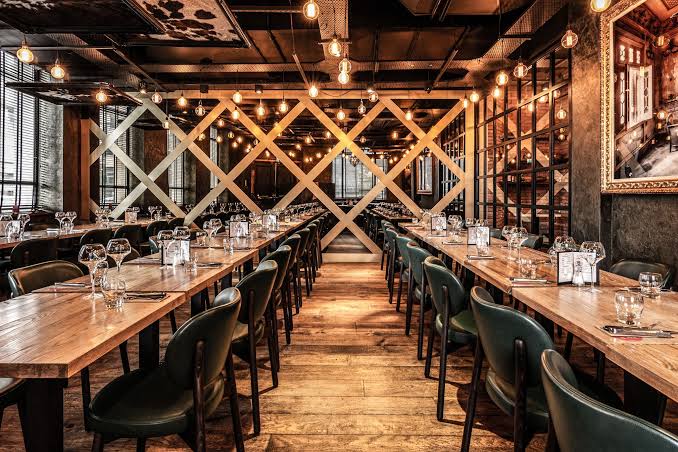
A comfortable dining space can make a big difference in how customers feel about a restaurant. From the moment guests sit down, the furniture and overall atmosphere help shape their dining experience. Even a simple meal feels more enjoyable when the seating is comfortable and welcoming.
Choosing restaurant furniture is not just about appearance. Restaurant owners also need to consider durability, easy cleaning, available space, and everyday use. The right furniture can help create a practical dining area that customers enjoy visiting.
Why Restaurant Furniture Matter
Restaurant furniture plays an important role in customer comfort. Guests may spend a few minutes enjoying lunch or several hours having dinner with friends and family. Comfortable chairs and well-sized tables can make these visits more pleasant.
The right furniture also supports your restaurant’s overall style. Whether you run a small café, a busy restaurant, or a hotel dining area, your furniture should match the atmosphere you want to create.
When choosing furniture, keep these important points in mind:
- Comfort: Choose seating that supports customers during their meals.
- Durability: Look for furniture suitable for regular commercial use.
- Appearance: Select designs that complement your restaurant’s theme.
- Maintenance: Consider surfaces that are easy to clean.
Explore Restaurant Furniture Options at Nisbets

Every restaurant has different needs, so it is worth exploring furniture options before making a purchase. The right choice depends on your available space, customer preferences, and the type of dining experience you offer.
When browsing Nisbets, compare product dimensions, materials, designs, and care instructions. Taking time to review these details can help you choose furniture that fits your business and works well during busy service hours.
Choose Tables That Fit Your Dining Area
Tables are one of the most important parts of a restaurant layout. Their size and shape affect how customers sit, how staff move around the dining area, and how efficiently the available space is used.
Before selecting tables, measure your available floor space and think about the number of guests you usually serve. Smaller tables can work well in cafés, while larger options may be more suitable for families and groups.
Here are a few table styles to consider:
- Round tables: Suitable for relaxed dining and conversation.
- Square tables: Useful for compact spaces.
- Rectangular tables: Practical for larger groups.
- Compact tables: Helpful when making the most of limited floor space.
Choose tables that leave enough room for chairs, walkways, and staff movement. A well-planned layout helps customers feel comfortable and allows employees to serve them more efficiently.
Select Comfortable and Practical Chairs
Chairs can have a direct effect on the dining experience. Even when the food is excellent, uncomfortable seating may leave customers eager to finish their meals. Supportive and practical chairs can make a restaurant feel more inviting.
Think about your restaurant’s needs before choosing a design. A casual café may benefit from lightweight chairs that are easy to move, while a family restaurant might need sturdy seating that can handle frequent use.
When comparing chairs, consider:
- Seat height and compatibility with your tables.
- Back support and seating comfort.
- Material quality and durability.
- Ease of moving chairs during cleaning.
- Surfaces that are simple to wipe down.
Focus on Durability and Easy Maintenance

Restaurant furniture is used much more frequently than most household furniture. Tables and chairs may be moved, cleaned, and used by different customers throughout the day. That is why durability should be a major part of your buying decision.
Materials such as metal, wood, and commercial-grade plastic can suit different restaurant environments. The best choice depends on the product’s construction, intended use, and care requirements rather than appearance alone.
Easy maintenance is equally important. Furniture with practical, easy-to-clean surfaces can help staff prepare tables quickly between customers and keep the dining area looking tidy.
Before buying, consider whether the furniture is suitable for commercial use, can withstand frequent cleaning, requires special maintenance, and fits your long-term needs.
Match Furniture With Your Restaurant’s Style
Restaurant furniture contributes to the first impression customers get when they enter. A modern café may look best with simple lines and neutral colours, while a traditional restaurant might suit warmer finishes and classic designs.
You do not need to make every piece identical to create a coordinated look. Choose a consistent colour palette and combine furniture styles that complement one another.
Wooden finishes can create a warm atmosphere, while metal furniture may suit an industrial or contemporary setting. The important thing is to keep the overall design balanced and appropriate for your customers.
Make the Most of Your Available Space
A comfortable restaurant needs more than attractive furniture. Customers should be able to sit down, move around, and enjoy their meals without feeling crowded. Staff also need enough space to serve food and clear tables safely.
Start by measuring your dining area and planning where tables and chairs could go. Consider entrances, service stations, accessible routes, and the space needed to pull chairs out comfortably.
A few simple steps can improve your layout:
- Avoid placing tables too close together.
- Keep main walkways clear.
- Allow enough space for customers to enter and leave their seats.
- Consider flexible furniture for different group sizes.
- Check relevant accessibility and safety requirements.
Consider Indoor and Outdoor Furniture Needs
If your restaurant has a patio, terrace, or outdoor dining area, you may need furniture designed for different conditions. Outdoor tables and chairs should be suitable for exposure to weather and the level of use they will receive.
Check product information about weather resistance, cleaning, storage, and protection from moisture. Not every material performs equally well outdoors, so following the manufacturer’s recommendations is important.
Indoor furniture has different priorities. Appearance, seating comfort, and easy cleaning may be especially important. If your business serves customers in both settings, choose furniture that meets the needs of each space.
Balance Quality With Your Budget
Setting a budget before shopping makes it easier to compare suitable options. However, choosing the cheapest furniture is not always the most economical decision over time. Products that wear out quickly may need replacing sooner than expected.
Compare the initial price with the product’s expected lifespan, maintenance needs, and suitability for your business. You may also want to prioritise pieces that receive the most daily use, such as dining chairs and frequently used tables.
Before placing an order, check current prices, product specifications, dimensions, delivery information, and any applicable guarantees. These details can help you make a purchase that fits your budget and business requirements.
Final Thoughts
Choosing restaurant furniture is about finding the right balance between comfort, appearance, durability, and practicality. Tables and chairs should suit your space, support your customers, and make everyday work easier for your staff.
By exploring suitable options, measuring your dining area, and comparing product details carefully, you can make choices that fit your restaurant’s needs. A well-furnished dining space can help create a welcoming atmosphere where customers feel comfortable and enjoy spending time.
